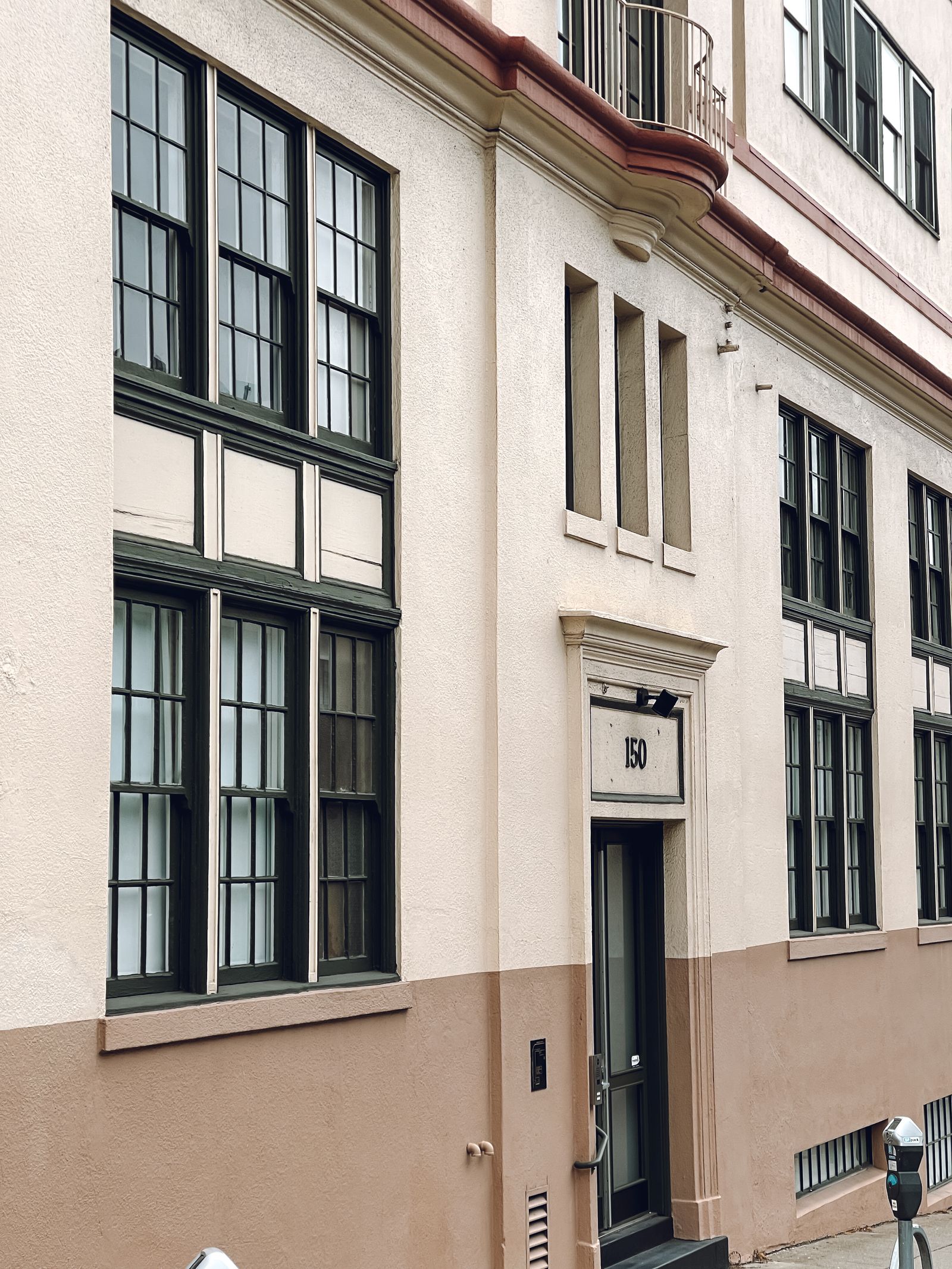
Begin with the actual Lincoln facade
Lincoln commercial properties often combine brick, mortar, concrete, precast, painted block, metal panels, glass, EIFS, stucco, sealants, awnings, and repairs from different construction eras. A downtown building may put older masonry beside storefront glazing and tight sidewalks. A Haymarket property may need attention around patio areas, event traffic, loading doors, and historic-looking materials. A medical or office building near the University of Nebraska-Lincoln area may have accessible walks, patient or employee arrivals, landscaping, and sensitive equipment. A warehouse or industrial property may have broad metal walls, docks, truck movement, and winter residue at the lower elevations.
Soft washing can be appropriate for compatible organic growth, pollen, mildew-like staining, bird residue, and some atmospheric film when the chemistry, dwell time, rinse, and protection plan fit the surface. It is not a repair for cracked concrete, open mortar, failed sealant, corrosion, spalling, leaking roof edges, or failing paint. A dark mark may be mineral scale, oxidation, salt residue, exhaust film, or a drainage problem instead of removable growth. A useful quote identifies representative test areas, likely causes, included elevations, expected improvement, and limitations before work begins.
- Separate brick, mortar, concrete, glass, metal, EIFS, stucco, painted, and coated zones.
- Distinguish organic staining from mineral deposits, oxidation, salt, exhaust, and water paths.
- Use test areas when coatings, repairs, masonry age, or staining causes are uncertain.
- Keep repairs, restoration, leak diagnosis, glass polishing, and coating replacement outside a routine wash scope.
Plan around downtown, Haymarket, and O Street activity
Downtown Lincoln buildings may sit beside active sidewalks, parking meters, bike routes, street parking, public entrances, and narrow staging areas. A cleaning sequence should protect the Capitol-area office arrival, storefront glazing, door thresholds, signs, and accessible routes while keeping a clear path for people. In the Haymarket, restaurant patios, hospitality entries, loading windows, event crowds, and evening activity can make early planning more valuable than a generic all-at-once scope. The property contact should identify event dates, deliveries, tenant notices, and the entrances that cannot be restricted.
O Street properties often combine retail, office, restaurant, and service uses with shared parking, drive-through movement, signs, sidewalks, and neighboring tenants. SouthPointe and other retail settings may require work around customer traffic, storefront glass, landscaping, parking aisles, and multiple tenants with different opening times. A medical or office corridor may need a quieter sequence around patients, staff, accessible parking, emergency routes, and building air intakes. The method and schedule should follow the way the property is used, not only the square footage.
University of Nebraska-Lincoln-adjacent buildings can have pedestrian-heavy routes, student movement, athletics or event traffic, residence and dining activity, and nearby streets that change character by time of day. This context does not imply a campus contract or affiliation. It simply means a property near the university should share its own access, event, security, and public-route requirements before work is scheduled.
Account for Nebraska wind, hail, snow, salt, and freeze-thaw
Lincoln weather leaves a recognizable maintenance pattern on commercial exteriors. Wind moves dust and road film onto lower walls, ledges, signs, and recessed entries. Hail can roughen or damage coatings, dent metal, loosen trim, or expose existing defects that cleaning should not be expected to fix. Snow and ice keep lower elevations damp, while deicing salt can leave white residue and contribute to corrosion or repeated marking near drives, walks, and loading areas. Freeze-thaw cycles can widen cracks, stress mortar, and turn a small opening into a condition that needs a mason or envelope professional.
Spring rain, summer heat, humidity, strong wind, lightning, and rapidly changing forecasts affect dwell time, overspray, drying, worker safety, and runoff. A hot west-facing wall can dry differently from a shaded north elevation. Wind can move mist toward pedestrians, neighboring cars, landscaping, air intakes, or a nearby street. The work window should include actual forecast conditions, surface temperature, wind, rain probability, lightning, and enough time to inspect the first rinse before continuing.
Recurring streaks may point to a blocked gutter, overflowing scupper, failed parapet cap, downspout discharge, irrigation spray, condensation, or damaged joint. Cleaning can document the visible path, but it cannot substitute for roof, masonry, plumbing, or building-envelope repair. Separating cleaning from repair helps the owner set a realistic maintenance interval and avoid treating the same symptom repeatedly.
- Review wind, lightning, rain, surface temperature, snow and ice conditions, and drying time before each phase.
- Inspect roof edges, gutters, downspouts, canopies, joints, and low walls for repeat wetting or freeze-thaw damage.
- Protect plants, air intakes, metals, finishes, vehicles, and public routes from chemistry and overspray.
- Set weather pause and reschedule triggers before barriers, hoses, lifts, or aerial equipment are staged.
Match access to height, materials, and public space
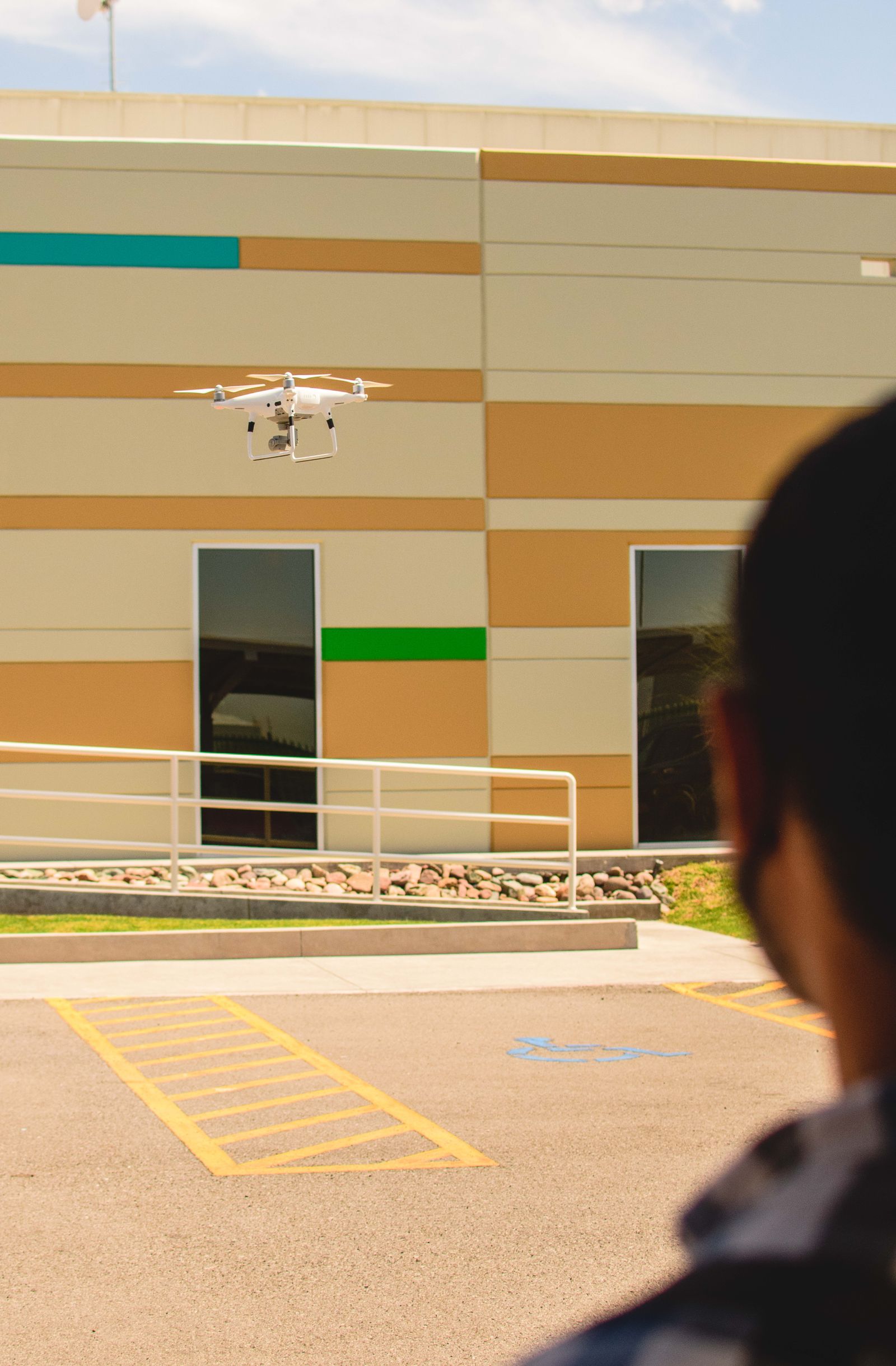
Aerial assistance may be considered for suitable broad upper elevations when facade compatibility, wind, stand-off distance, launch and recovery space, visual control, public separation, and ground coordination support the work. It may reduce repositioning for selected parapets, sign bands, ledges, or tall walls. It does not make fragile chemistry appropriate, clean every window, remove bonded mineral deposits, brush recessed details, confirm concealed conditions, or repair joints and coatings. The proposal should identify where aerial support is expected and what remains hand, pole, lift, or ground work.
Lincoln sites can include overhead utilities, mature trees, parking decks, rooftop equipment, balconies, signs, narrow downtown staging, active roads, rail or airport-adjacent activity, and large open areas where wind becomes a controlling condition. Commercial drone operations remain subject to applicable Federal Aviation Administration requirements; property permission does not replace aviation rules or required authorizations. If the controls are not adequate, a lift, water-fed pole, ground setup, or hybrid plan is the better choice.
A hybrid scope may use aerial support on an appropriate upper wall, a water-fed pole for selected glass, controlled low-pressure work on durable concrete, and hand detailing around doors, signs, canopies, storefronts, and architectural features. Height alone does not select the method. Material, soil, people nearby, drainage, access, weather, and the achievable result all matter.
Protect medical, office, retail, and industrial operations
Before water or solution is applied, map patient and guest entrances, accessible routes, employee doors, loading docks, air intakes, cameras, electrical equipment, landscaping, outdoor seating, vehicles, signs, and neighboring property. A medical building may need emergency access and a clean patient route. An office may need phased work outside arrival and lunch periods. A SouthPointe or O Street retailer may need customer separation and tenant notices. An industrial or warehouse site may need a security escort, a spotter at the dock, and a sequence between trailer movements.
Lincoln parking lots and sidewalks can drain toward curb inlets, grass swales, detention features, garages, pavement joints, or neighboring parcels. The site contact should identify low points and stormwater features before setup. The operator should watch the first rinse, confirm barriers and hose lines, and pause when actual flow no longer matches the plan. A quote should make water access, staging, protection, work hours, security, tenant coordination, weather contingencies, and exclusions visible.
Documentation of representative pre-work conditions, completed elevations, remaining deposits, and observed damage gives a facilities team a useful record. When the building is active, the customer is buying predictability as well as a cleaner facade. Phasing can reduce the number of entrances, drive lanes, or loading zones controlled at one time while still addressing the requested result.
- Locate accessible routes, entrances, air intakes, loading areas, landscaping, vehicles, and public paths.
- Confirm water access, hose routing, barriers, spotters, security, and emergency access before setup.
- Coordinate patients, students, employees, customers, tenants, deliveries, events, and production activity.
- Record completed zones, remaining deposits, pre-existing damage, and conditions needing another trade.
Make runoff planning part of the quote
Runoff depends on the products used, soil removed, rinse volume, slope, drain type, landscaping, and site requirements. A storm drain below a facade is not automatic permission for treated water to enter it. Depending on the scope, controls can include diversion, collection, recovery, reduced rinse volume, filtration, plant protection, disposal, or coordination with the responsible authority. The quote should state its assumptions and the response if observed flow differs from the site review.
This matters around downtown sidewalks, Haymarket patios, university-adjacent pedestrian routes, SouthPointe parking, O Street storefronts, medical drop-offs, and industrial yards. Snowmelt and salt can also reveal low points, curb paths, and staining routes that are easy to miss in dry weather. Watching the first rinse and checking the destination of water is more useful than assuming the property drains exactly as it appears on a map.
Drainage review can reveal the reason one elevation stains faster than another. A roof edge, downspout, planter, irrigation head, parapet, or failed joint may need attention from another trade. Cleaning can improve the appearance while the owner separately addresses the source.
Request a Lincoln quote with useful details
Send the property address, building use, approximate height, facade materials, problem elevations, desired timing, operating hours, water access, nearby drains, and known leaks, loose materials, coating failures, hail damage, or previous cleaning damage. Photos of the main entry, a shaded wall, an upper wall, roof edge, loading area, windows, landscaping, and parking-side drainage help prepare for a site review. Mention whether the goal is an event-ready appearance, recurring maintenance, tenant turnover, a sale, or investigation of a particular stain.
To discuss a Lincoln property, call +1 239-351-2897 or email contact@dronebuildingcleaners.com. Drone Building Cleaners can help you get in touch, review whether soft washing, controlled pressure, aerial assistance, or a hybrid method fits the building, and prepare a quote around the outcome you need. The right scope is specific about included elevations, access, protection, weather, drainage, limitations, and work that belongs to another trade.